


How Long Does It Take for Semaglutide to Suppress Appetite?
Semaglutide begins working immediately after the first injection, but noticeable appetite reduction typically occurs within one to three weeks. The initial dose helps the digestive system adjust rather than induce peak satiety. Most patients experience decreased “food noise” and reduced snacking by their second or third weekly dose. Full appetite suppression usually peaks around 8 to 12 weeks as the dosage increases to therapeutic levels. At The Institute for Weight Management, Dr. Anjana Chhabra closely monitors your progress throughout this process to ensure the best possible outcomes. For more information, contact us or book an appointment online today. We are located at 150 Overlook Ave, Hackensack, NJ 07601.

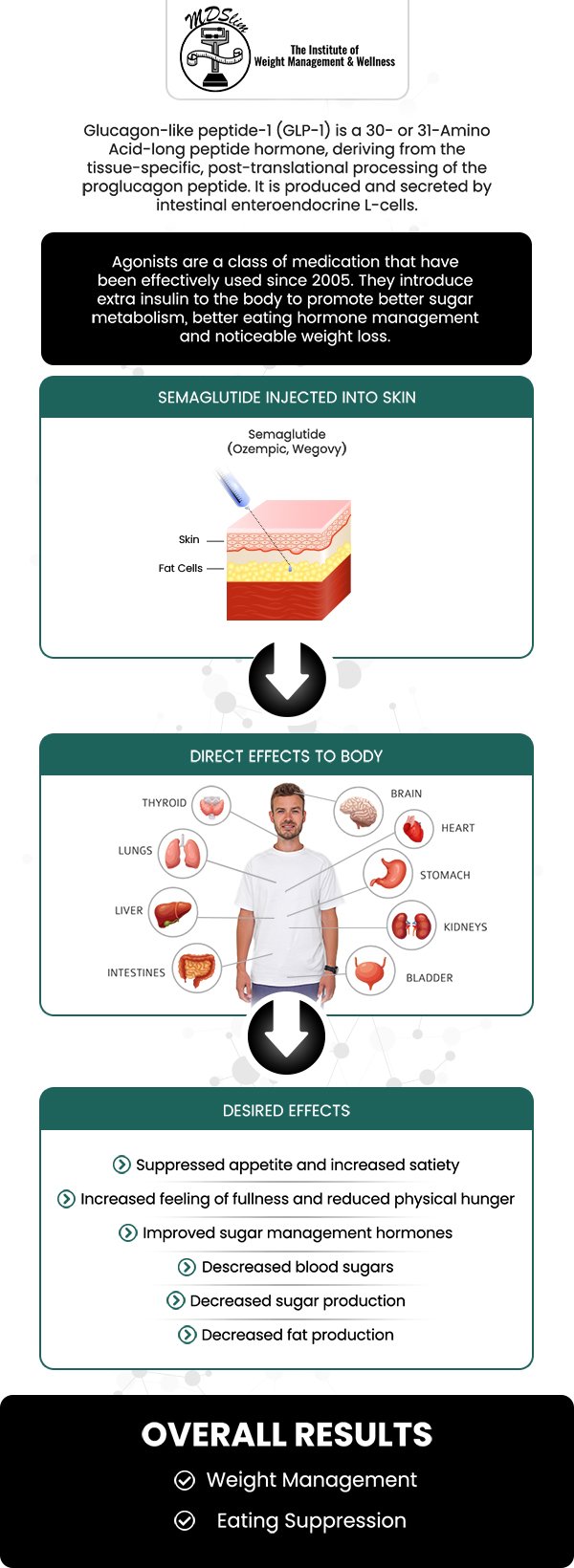
Table of Contents:
How quickly does Semaglutide start suppressing appetite?
When can I expect to feel less hungry after starting Semaglutide?
Does Semaglutide work right away to reduce appetite?
Is Semaglutide effective for everyone in suppressing appetite?
Discover the Effective Appetite-Suppressing Benefits of Semaglutide with Dr. Anjana Chhabra at The Institute for Weight Management
Semaglutide belongs to a class of medications known as GLP-1 receptor agonists, which work by mimicking a natural hormone in your body that signals fullness to the brain. While the medication begins working at a cellular level almost immediately after your first subcutaneous injection, the “felt” effect of appetite suppression typically begins within the first 24 to 72 hours. Most patients at The Institute for Weight Management report a subtle but noticeable shift in their hunger cues during this initial window.
However, it is important to understand that the first month of treatment utilizes a “starter dose” (typically 0.25 mg) designed to help your body acclimate to the medication rather than to induce maximum weight loss. During these early days, you may find that you fill up slightly faster during meals or that your interest in snacking between meals begins to wane. This rapid onset of action provides an immediate psychological boost, helping you adhere to the nutritional guidelines provided by Dr. Chhabra. As the medication builds a steady state in your bloodstream over the first week, the consistency of this appetite suppression becomes more reliable, setting the foundation for the more significant metabolic changes to come.
While the chemical process begins quickly, most patients experience a definitive reduction in hunger—often referred to as the silencing of “food noise”—within one to two weeks of their first dose. This is the period when the medication has had time to stabilize in your system and begin slowing down gastric emptying. When your stomach empties more slowly, food remains there longer, sending continuous signals of satiety to your brain.
By the second or third weekly injection, the experience of “feeling less hungry” becomes a new baseline for most individuals. You might notice that you no longer crave high-calorie “comfort foods” or that you can easily push a plate away halfway through a meal. At The Institute for Weight Management, Dr. Anjana Chhabra emphasizes that this phase is the perfect time to implement long-term behavioral changes. Because you aren’t fighting intense hunger pangs, you can focus on choosing nutrient-dense whole foods and practicing mindful eating. As your dosage is gradually titrated upward every four weeks according to clinical protocols, this feeling of satisfaction typically strengthens, making it significantly easier to maintain the caloric deficit necessary for sustainable weight loss.
The answer is both yes and no; while Semaglutide starts influencing your metabolic pathways immediately, the full clinical impact on appetite is a cumulative process. Within the first few days, you may notice a decrease in the intensity of your hunger, but the medication is specifically designed to be escalated slowly to minimize gastrointestinal side effects. Therefore, the “right away” effect at the 0.25 mg starting dose is often milder than the profound appetite suppression experienced at the maintenance doses of 1.7 mg or 2.4 mg.
Clinically, Semaglutide works right away to slow down the speed at which food leaves your stomach. This physiological change happens shortly after the first injection, even if you don’t “feel” a total loss of appetite instantly. Dr. Chhabra and her team monitor your progress to ensure that as the medication builds up in your system, your hunger levels remain consistently low. It is common for patients to see the most dramatic shift in appetite during the second month of treatment as the dose increases to 0.5 mg. This gradual onset is actually a safety feature, allowing your digestive system to adapt while still providing enough early suppression to help you jumpstart your weight loss journey successfully.
While Semaglutide is a revolutionary tool in obesity medicine, individual responses can vary based on genetics, metabolic health, and current lifestyle. Clinical data show that the vast majority of patients—approximately 80% to 90%—experience significant appetite suppression. However, some individuals are “non-responders” or may require a much higher dose before they feel a change in their hunger levels. Factors such as insulin resistance, hormonal imbalances, and even certain medications can influence how quickly or effectively Semaglutide interacts with your GLP-1 receptors.
At The Institute for Weight Management, Dr. Anjana Chhabra recognizes that medication is only one piece of the puzzle. If a patient finds that Semaglutide isn’t suppressing their appetite as expected, Dr. Chhabra utilizes metabolic analysis to determine why. Sometimes, the issue isn’t the medication but rather “head hunger” or emotional eating, which Semaglutide cannot fix alone. In other cases, a patient might benefit more from an alternative GLP-1 like Tirzepatide. By providing medically supervised care, we ensure that your treatment is personalized. If you aren’t seeing the typical results, we adjust your plan, dosage, or strategy to ensure your body eventually achieves the satiety signals needed to lose weight effectively and safely.
Choosing to start a medical weight loss journey is a significant decision, and having a board-certified expert like Dr. Anjana Chhabra by your side makes all the difference. At The Institute for Weight Management, we don’t just hand you a prescription; we provide a comprehensive wellness ecosystem. Dr. Chhabra leverages over 25 years of experience in obesity medicine to ensure your Semaglutide treatment is safe, effective, and tailored to your specific metabolic profile. Our approach combines the powerful appetite-suppressing science of GLP-1 injections with professional nutrition counseling and metabolic monitoring.
When you join our practice, you receive more than just a reduction in hunger. You gain a partner who understands the complexities of weight gain, from hormonal shifts during menopause to the struggles of chronic insulin resistance. Dr. Chhabra’s “refreshed, not restricted” philosophy ensures that while Semaglutide silences the “food noise,” you are also learning how to nourish your body for the long term. If you are ready to stop the cycle of yo-yo dieting and experience the freedom that comes with true appetite control, schedule your consultation today. Let us help you harness the power of Semaglutide to achieve the sustainable, healthy lifestyle you deserve. For more information, contact us. We are located at 150 Overlook Ave, Hackensack, NJ 07601. We serve clients from Ridgewood NJ, Tenafly NJ, Glen Rock NJ, Paramus NJ, Oradell NJ, River Edge NJ, Upper Saddle River, Wyckoff NJ and surrounding areas.
Check Out Our 5 Star Reviews







 Send Text
 How May I Help You?