


How Can Oral Weight Loss Medications Transform Your Health?
The Institute for Weight Management in Hackensack, NJ, offers personalized medical weight loss programs that may include oral weight loss medications when clinically appropriate. Our team helps patients understand their treatment options, manage appetite, support metabolism, improve lifestyle habits, and work toward sustainable weight loss with professional guidance. Contact us today or book an appointment online for personalized care that works for you. Conveniently located at 150 Overlook Ave, Hackensack, NJ 07601.
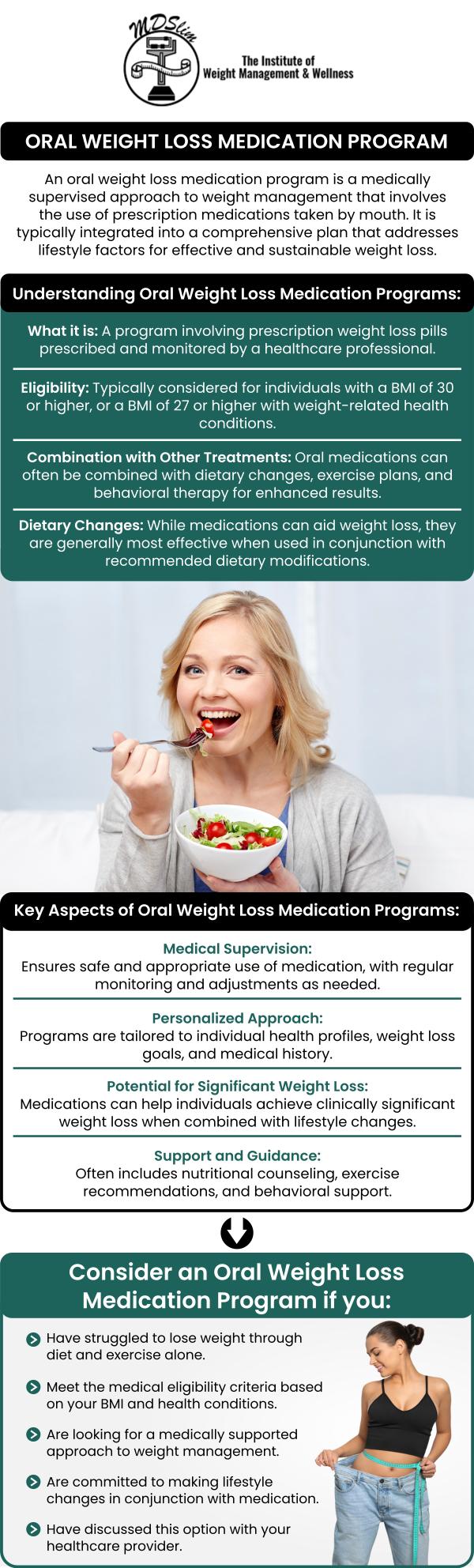
Table of Contents:
What types of oral weight loss medications are available?
How do oral weight loss medications support metabolism and fat reduction?
Are oral weight loss medications safe for long-term use?
Can these medications help patients manage obesity-related health conditions?
Who is eligible for oral weight loss medication therapy?
How can The Institute for Weight Management guide patients in safely using oral weight loss medications to achieve health and weight goals?
Oral weight loss medications are prescription or approved treatment options taken by mouth to help support weight management in appropriate candidates. These medications may work in different ways, including reducing appetite, increasing feelings of fullness, limiting fat absorption, or helping reduce cravings that can make weight loss difficult.
Some oral medications are approved for long-term weight management, while others may only be used for short-term support. The right option depends on each patient’s medical history, current medications, weight-related health risks, lifestyle habits, and overall treatment goals.
At The Institute for Weight Management in Hackensack, NJ, oral weight loss medication therapy is not treated as a quick fix. Instead, it is considered as one part of a broader medical weight loss plan. Patients may also receive nutrition counseling, lifestyle guidance, progress monitoring, and support for healthier long-term habits.
Because each medication has possible side effects and precautions, a professional evaluation is important before starting therapy. Our team helps determine whether an oral medication is appropriate and which option may best fit the patient’s health profile.
Oral weight loss medications may support fat reduction by helping patients better manage appetite, portion size, cravings, and food intake. Some medications affect brain pathways related to hunger and reward, while others may reduce how much dietary fat is absorbed by the body. These effects can make it easier for patients to follow a structured weight loss plan.
While some medications may influence metabolic health indirectly through weight reduction, they work best when paired with lifestyle changes. Improved nutrition, regular physical activity, hydration, sleep support, and behavior changes all play an important role in helping the body use energy more efficiently.
Our patients receive personalized guidance to help ensure medication support is connected to healthy habits. For example, a patient taking appetite-support medication still needs balanced meals, adequate protein, fiber, and consistent hydration to protect energy and maintain lean muscle.
Fat reduction should be gradual and medically guided. The goal is not just fast weight loss, but healthier body composition, improved energy, better confidence, and reduced weight-related health risks over time.
Some oral weight loss medications may be safe for long-term use when prescribed appropriately and monitored by a medical professional. However, not every medication is intended for long-term treatment, and not every patient is a good candidate. Safety depends on the medication type, dosage, medical history, side effects, and how well the patient responds.
Before recommending oral medication, our team reviews important factors such as blood pressure, heart health, medication interactions, digestive issues, mental health history, pregnancy status, and other medical concerns. This helps reduce the risk of complications and supports safer treatment planning.
Regular follow-up is also important. Patients may need monitoring for weight changes, appetite control, mood changes, sleep changes, blood pressure, digestive symptoms, or other side effects. If a medication is not working well or causes unwanted symptoms, the plan may need to be adjusted.
Long-term safety also depends on long-term habits. Oral medications should support a healthier lifestyle, not replace it. Patients who build sustainable nutrition and activity routines are more likely to maintain results safely.
Yes, oral weight loss medications may help some patients manage obesity-related health risks when they are used as part of a medically supervised plan. Losing excess weight may support improvements in blood pressure, cholesterol, blood sugar control, mobility, joint stress, sleep quality, and overall metabolic wellness.
Obesity can increase the risk of several chronic conditions, including type 2 diabetes, hypertension, heart disease, sleep apnea, fatty liver concerns, and joint pain. A structured weight loss plan may help reduce some of these risks by supporting gradual fat reduction and healthier daily habits.
At The Institute for Weight Management in Hackensack, NJ, the team looks at each patient’s full health picture. This may include reviewing weight history, lab markers, medications, lifestyle habits, and related conditions that may be affected by weight.
Medication therapy may be useful when lifestyle changes alone have not produced enough progress. However, oral weight loss medications are most effective when combined with nutrition counseling, movement, accountability, and ongoing medical support.
Eligibility for oral weight loss medication therapy depends on each patient’s weight, body mass index, weight-related health conditions, medical history, and prior weight loss efforts. These medications are generally considered for adults who meet clinical criteria and need additional support beyond lifestyle changes alone.
A patient may be considered if excess weight is affecting health, mobility, energy, or quality of life. Weight-related concerns such as high blood pressure, high cholesterol, insulin resistance, prediabetes, type 2 diabetes risk, or joint discomfort may also be considered during evaluation.
However, some patients may not be eligible due to certain medical conditions, medication interactions, pregnancy, uncontrolled blood pressure, heart concerns, seizure history, digestive disorders, or other risk factors. That is why a personalized consultation is necessary before beginning treatment.
The Institute for Weight Management helps patients understand whether oral medication therapy is a safe and reasonable option. The goal is to recommend treatment based on health needs, not trends or one-size-fits-all programs.
The Institute for Weight Management guides patients by creating a structured, personalized plan around safe medication use, lifestyle improvement, and long-term accountability. Oral weight loss medications can be helpful tools, but they work best when patients receive education, monitoring, and support from an experienced medical weight loss team.
The process may begin with a consultation, health history review, medication review, weight loss history, and discussion of goals. From there, the team can determine whether oral medication therapy is appropriate and how it should fit into the patient’s overall care plan.
Patients may also receive guidance on nutrition, portion control, hydration, physical activity, sleep habits, and managing cravings. These lifestyle changes help improve the effectiveness of medication and support better long-term results.
Follow-up visits allow the team to monitor progress, side effects, medication tolerance, and health improvements. If needed, the care plan can be adjusted to help patients stay safe, motivated, and on track. This supervised approach helps patients work toward healthier weight goals with confidence. Contact us today or book an appointment online for personalized care that works for you. Conveniently located at 150 Overlook Ave, Hackensack, NJ 07601. We proudly serve patients from Hackensack NJ, Ridgewood NJ, Tenafly NJ, Glen Rock NJ, Paramus NJ, Oradell NJ, River Edge NJ, Upper Saddle River NJ, Wyckoff NJ, and surrounding areas.
Check Out Our 5 Star Reviews







 Send Text
 How May I Help You?