


How Can Sleep Apnea Be Managed in Patients With Obesity?
Managing sleep apnea in patients with obesity often involves a combination of lifestyle changes, weight loss, and medical treatments. Strategies such as continuous positive airway pressure (CPAP) therapy, weight management programs, and positional therapy can significantly improve symptoms. Dr. Anjana Chhabra at The Institute for Weight Management emphasizes that addressing both obesity and sleep apnea together can lead to better overall health and more effective long-term results. Contact us today or book an appointment online for personalized care that works for you. Conveniently located at 150 Overlook Ave in Hackensack, NJ 07601.
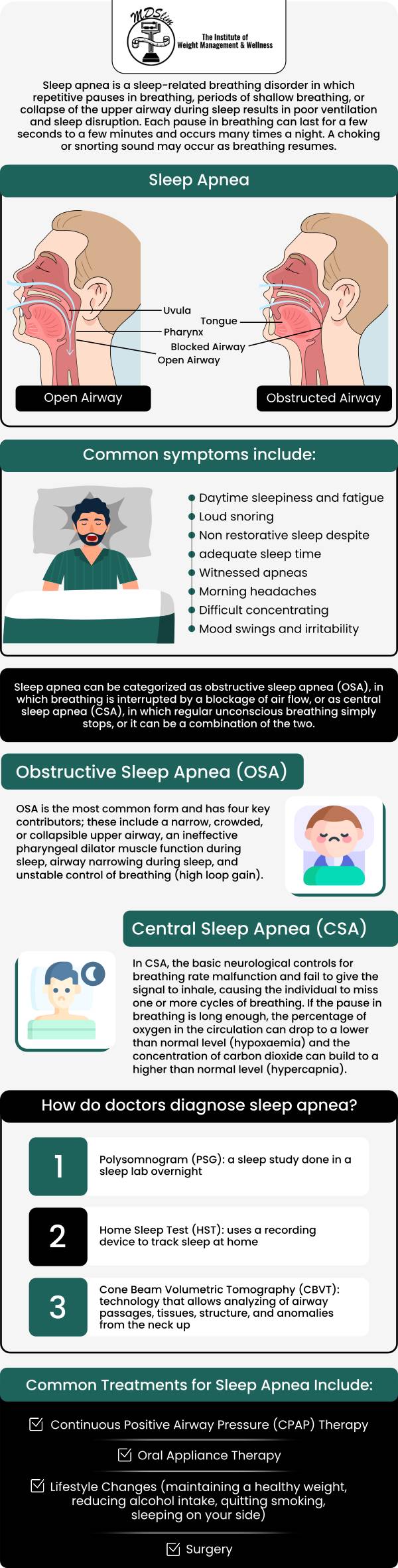
Table of Contents:
How does obesity increase the risk of sleep apnea?
What type of sleep apnea is most common in patients with obesity?
Can weight changes affect the severity of sleep apnea symptoms?
What symptoms of sleep apnea are more common in obese patients, and how can Dr. Anjana Chhabra help?
Obesity significantly increases the risk of sleep apnea, particularly obstructive sleep apnea (OSA), due to the additional weight, especially around the neck and throat area. Excess fat can lead to narrowing of the airway, making it harder for air to flow freely during sleep. The soft tissues in the throat, including the tongue and the uvula, can collapse more easily and block the airway when a person is overweight or obese.
Obesity also affects the muscles that control the airway. Increased fat around the upper respiratory system can weaken the muscle tone in the throat, leading to airway collapse and disrupted breathing patterns during sleep. As a result, people with obesity are more likely to experience frequent interruptions in their sleep due to these airway blockages, causing the symptoms of sleep apnea, such as snoring, choking, and gasping for air.
At The Institute for Weight Management, we understand the connection between obesity and sleep apnea and offer specialized care to address both conditions. A comprehensive approach that includes weight management and sleep disorder treatment can help reduce the severity of sleep apnea symptoms. Effective weight loss can relieve some of the pressure on the airway, improving sleep quality and reducing the risks associated with sleep apnea.
The most common type of sleep apnea in patients with obesity is obstructive sleep apnea (OSA). OSA occurs when the muscles in the throat relax excessively during sleep, causing the airway to become partially or completely blocked. Obesity is a major contributing factor to the development of OSA because extra weight, particularly around the neck and throat, can cause airway obstruction, making it difficult for air to flow properly.
Patients with obesity tend to have increased fat deposits in the neck area, which increases the likelihood of airway collapse. Additionally, excess fat can affect the muscle tone in the throat, exacerbating the risk of airway obstruction during sleep. As the airway becomes blocked, the body’s oxygen levels drop, leading to frequent awakenings throughout the night, which disrupt sleep and result in daytime fatigue.
OSA is the most common form of sleep apnea in obese individuals, and it often goes undiagnosed until symptoms like loud snoring, choking during sleep, and excessive daytime sleepiness become noticeable. At The Institute for Weight Management, we focus on treating sleep apnea in obese patients by combining weight management strategies with sleep disorder treatments. This holistic approach helps reduce the severity of OSA and improve overall health.
Yes, weight changes can have a significant impact on the severity of sleep apnea symptoms. For individuals with obesity, losing weight can often lead to a reduction in the severity of obstructive sleep apnea (OSA) symptoms. As body weight decreases, the excess fat around the neck and throat reduces, which can decrease airway obstruction. This can lead to fewer apneas (pauses in breathing) and hypopneas (shallow breathing) during sleep.
In some cases, even a modest weight loss can result in improvements in sleep apnea severity. Reducing abdominal fat can also help decrease pressure on the diaphragm, allowing the lungs to expand more freely during sleep, further improving breathing patterns. For many people with sleep apnea, achieving and maintaining a healthy weight can alleviate or even eliminate the need for more invasive treatments, such as continuous positive airway pressure (CPAP) therapy.
On the other hand, weight gain can worsen sleep apnea symptoms. Additional fat around the neck and throat increases the likelihood of airway obstruction during sleep, exacerbating the frequency and severity of apneas. At The Institute for Weight Management, we provide weight management programs tailored to help individuals reduce their weight in a healthy, sustainable way, which in turn can significantly improve sleep apnea symptoms and overall health.
Obese patients are more likely to experience a range of symptoms related to sleep apnea, with some being more pronounced due to the added risk factors associated with obesity. Common symptoms of sleep apnea in obese individuals include:
1. Loud snoring: Excess fat in the neck and throat area can cause the airway to become partially blocked, leading to loud snoring, which is a hallmark symptom of obstructive sleep apnea.
2. Frequent awakenings or choking during sleep: Obese individuals with sleep apnea may experience frequent interruptions in their sleep cycle, often waking up gasping for air or choking. These disruptions can significantly impact the quality of sleep.
3. Daytime fatigue and sleepiness: Since sleep apnea often causes interruptions in sleep, individuals with obesity and sleep apnea may feel excessively tired during the day, even after a full night’s sleep. This can lead to difficulty concentrating and a general lack of energy.
4. Morning headaches and dry mouth: People with sleep apnea may wake up with headaches or a dry mouth, both of which are common symptoms related to the condition.
Dr. Anjana Chhabra and the team at The Institute for Weight Management specialize in treating sleep apnea in obese patients. By combining weight management with targeted treatment options for sleep apnea, such as CPAP therapy, lifestyle changes, and sleep studies, Dr. Chhabra helps patients achieve better sleep quality and overall health. Through a comprehensive, personalized approach, she can guide you toward effective strategies to reduce sleep apnea symptoms and improve your quality of life.
Contact us today or book an appointment online for personalized care that works for you. Conveniently located at 150 Overlook Ave in Hackensack, NJ 07601, we proudly serve clients from Ridgewood, Tenafly, Glen Rock, Paramus, Oradell, River Edge, Upper Saddle River, Wyckoff, and surrounding areas.
Check Out Our 5 Star Reviews







 Send Text
 How May I Help You?