


What to Expect During the First Week of the First Shot of Ozempic
Starting your Ozempic treatment can lead to some initial adjustments, with common side effects including mild nausea and reduced appetite as your body acclimates. The first week is crucial as Ozempic begins working to help regulate blood sugar and support weight loss. It’s important to stay in close contact with Dr. Anjana Chhabra to manage any symptoms and ensure that the treatment is working effectively for long-term success. For more information, contact us or book an appointment online today. We are located at 150 Overlook Ave, Hackensack, NJ 07601.
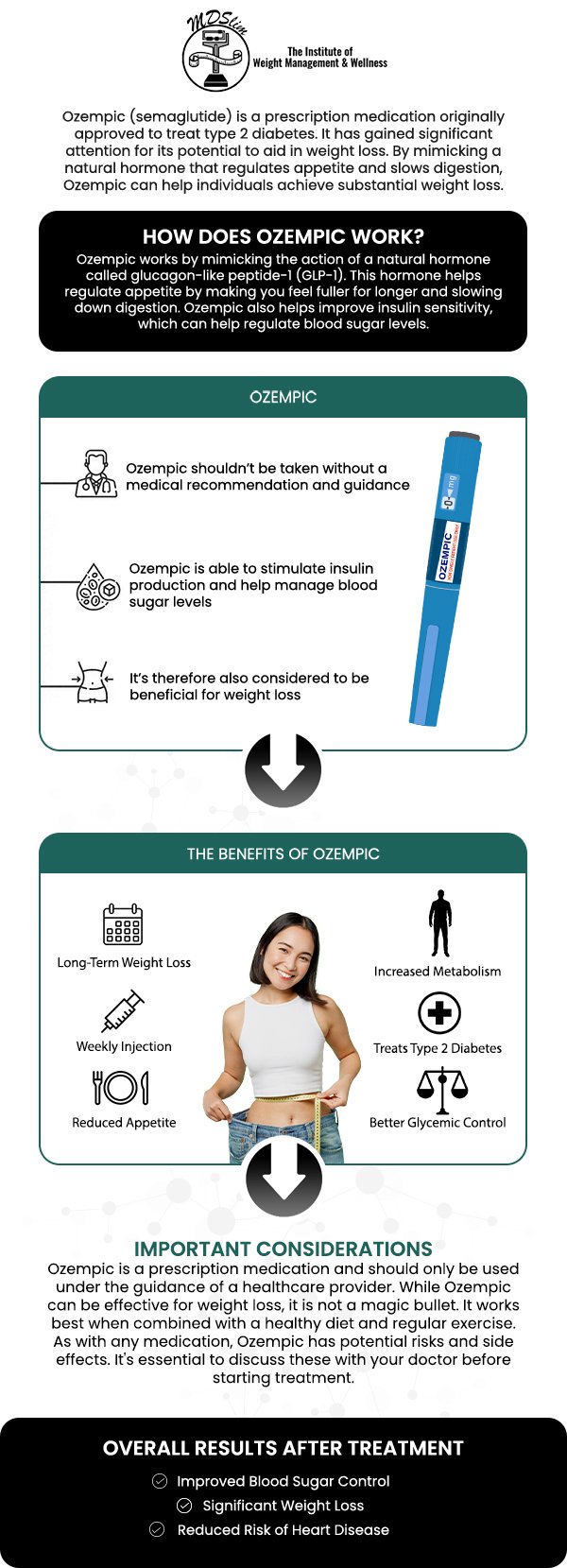
Table of Contents:
What happens in the body during the first week after the first Ozempic shot?
When do most people begin noticing appetite changes after the first injection?
Are mild digestive changes common during the first week of Ozempic?
How does Ozempic affect hunger and portion sizes during the first week?
Is it normal to feel tired during the first week of Ozempic treatment?
Guidance for Your First Week of Ozempic Treatment at The Institute for Weight Management
The moment you administer your first dose of Ozempic (Semaglutide), the medication begins a complex interaction with your endocrine system. As a GLP-1 receptor agonist, it mimics the hormone glucagon-like peptide-1, which your body naturally releases after eating. During this first week, the medication starts binding to receptors in the pancreas to enhance insulin secretion and in the brain to signal satiety. Even at the low “bridge” dose of 0.25 mg, Ozempic begins slowing down gastric emptying, meaning food stays in your stomach for a significantly longer duration than usual.
Internally, your body is also working to stabilize blood sugar levels by preventing the liver from releasing excess glucose. While you may not see a dramatic change on the scale within these first seven days, your metabolic “machinery” is being recalibrated. This initial week is a crucial adjustment period where your central nervous system and digestive tract learn to communicate under the influence of the medication. Dr. Anjana Chhabra and the team at The Institute for Weight Management emphasize that while the chemical changes are immediate, the physical sensations of these shifts are often subtle as your system reaches a new state of equilibrium.
For many patients, the shift in appetite occurs surprisingly fast, often within 24 to 48 hours of the first injection. You may find yourself reaching for a mid-morning snack out of habit, only to realize you aren’t actually hungry. This is the medication successfully “silencing” the food noise—those intrusive, constant thoughts about the next meal. By day three or four, the realization usually sets in that you are feeling satisfied with much smaller quantities of food than you were just a few days prior.
At The Institute for Weight Management, we observe that while some “super-responders” feel an immediate drop in hunger, others may experience a more gradual decline throughout the first week. It is important to note that the first week is about the medication building up in your system; the satiety you feel on day two might be slightly different by day seven. Dr. Chhabra encourages patients to use this first week to practice mindful eating, as the diminished drive to eat allows you to focus on the quality of your nutrition rather than the quantity, setting the stage for long-term behavioral success.
Yes, experiencing mild digestive shifts is a very common and expected part of the first week of Ozempic treatment. Because the medication significantly slows down the speed at which the stomach empties (gastric motility), your digestive system must adapt to a new rhythm. Common symptoms during these first seven days include slight nausea, a feeling of “fullness” even before eating, or occasional changes in bowel habits. These are generally signs that the medication is working and interacting with your gut-brain axis.
Dr. Anjana Chhabra advises that these symptoms are usually most prominent 24 to 48 hours after the injection and tend to subside as the week progresses. To manage these changes, we recommend staying well-hydrated, eating smaller and more frequent meals, and avoiding high-fat or greasy foods, which can sit heavily in a slowed stomach. At The Institute for Weight Management, we provide comprehensive guidance on “pacing” your meals to minimize discomfort. Most patients find that by the time they are ready for their second shot, their bodies have already begun to normalize, and any initial “queasiness” has significantly diminished or disappeared entirely.
During the first week, the most profound change is often the “early satiety” effect. You will likely notice that your usual portion sizes suddenly feel overwhelming. Because Ozempic slows gastric emptying, the mechanical stretch receptors in your stomach send “full” signals to your brain much earlier during a meal. It is common for patients to report being able to finish only half of what they previously ate. This is not necessarily a loss of interest in food, but rather a physical inability to consume large volumes without feeling uncomfortably full.
In addition to physical fullness, your “hunger cues” become less aggressive. The sharp, urgent pangs of hunger that lead to overeating are often replaced by a duller, more manageable sensation. At The Institute for Weight Management, we view this first week as a “retraining” period. Dr. Chhabra works with patients to ensure that even though portion sizes are smaller, the food consumed is nutrient-dense to maintain energy levels. This reduction in portion size is the primary driver of the caloric deficit needed for weight loss, and seeing it happen so naturally in the first week provides many patients with the confidence to continue their journey.
It is relatively common to experience a slight dip in energy levels or “fatigue” during the first week of your Ozempic journey. There are two primary reasons for this. First, as your body adjusts to a significant reduction in caloric intake and a shift in blood sugar regulation, it may take a few days for your metabolism to catch up to the new “fuel” levels. Second, the slowed digestion process can initially require more of your body’s internal energy. This fatigue is usually temporary and often described as a mild lethargy rather than total exhaustion.
At The Institute for Weight Management, Dr. Chhabra emphasizes the importance of protein and hydration to combat this first-week fatigue. Ensuring you are consuming enough lean protein and electrolytes can help stabilize your energy. Often, what patients perceive as medication-induced tiredness is actually the body reacting to a sudden drop in sugar and processed carbohydrate consumption. By the end of the first week or into the second, most patients report a “rebound” in energy, feeling lighter and more vibrant as their bodies become more efficient at burning fat for fuel. If fatigue persists, our clinical team is always available to adjust your plan and ensure you are being properly nourished.
The first week of any new treatment can feel both exciting and uncertain, which is why having the expert oversight of Dr. Anjana Chhabra at The Institute for Weight Management is so vital. She doesn’t just provide a prescription – she creates a personalized roadmap for your first seven days and beyond. With her guidance, you’ll be fully prepared to navigate the subtle changes Ozempic introduces, from your first dose to understanding your body’s new hunger signals.
At our practice, you’re not just another patient – you’re part of a supportive team that celebrates your progress and answers your questions. During your first week, Dr. Chhabra and our team will be by your side, helping you manage any digestive changes and offering tailored nutritional strategies to maximize Ozempic’s effectiveness. With her decades of experience in obesity medicine, you can trust that your care is compassionate, personalized, and scientifically rigorous. Let us help you turn that first shot into a lifelong success, with professional supervision and unwavering support. For more information, contact us or book an appointment online today. We are located at 150 Overlook Ave, Hackensack, NJ 07601. We serve clients from Ridgewood NJ, Tenafly NJ, Glen Rock NJ, Paramus NJ, Oradell NJ, River Edge NJ, Upper Saddle River, Wyckoff NJ and surrounding areas.
Check Out Our 5 Star Reviews







 Send Text
 How May I Help You?