


Could Your Kitchen Counter Be Making You Fat?
Could your kitchen counter be making you fat? Research shows that visible, easily accessible foods can influence how much and how often you eat, often leading to mindless snacking and excess calorie intake. By redesigning your kitchen environment—such as keeping healthy foods in sight and storing high-calorie snacks out of reach—you can support better portion control, reduce impulsive eating, and promote healthier weight management habits. Contact us today or book an appointment online for personalized care that works for you. Conveniently located at 150 Overlook Ave, Hackensack, NJ 07601.
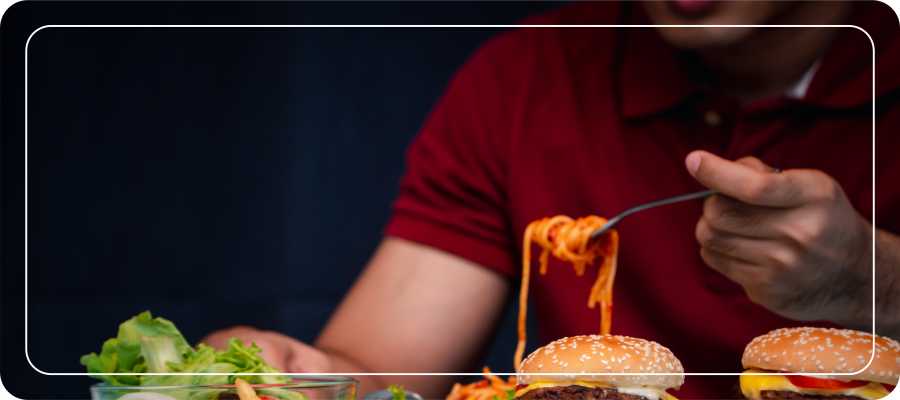
Are you struggling with weight loss even though you’ve already made some big changes to your diet and lifestyle? You exercise more, eat healthy foods, and even throw away all the junk food. So if you’re doing everything ‘right,’ why are you still struggling to lose weight? The surprising answer: your kitchen.
According to a study in the Annual Reviews of Nutrition, our kitchens may be partially responsible for why so many Americans are overweight. Here are a few surprising problems lurking in your kitchen—and what you can do to fix them.
Visibility.
In most kitchens, the cookie jar lives on the kitchen counter, and the produce lives in the fridge. So when you’re hungry and need a snack, the first things you see are the cookies, not the apples. Hide the cookies and other sweets in the pantry (even better, put them so high up you can’t reach them without the aid of a step stool) and put the fruit on display. In fact, many fruits, such as oranges, grapefruit, and mangoes, actually taste better at room temperature. Visually, seeing a tasty orange rather than a jar of cookies will help you make healthy snack choices and stick to your weight loss goals.
Your dishes.
Your waistline is not the only thing increasing. Since the 1970s, the size of dinner plates has increased by 25 percent. And bigger plates lead to bigger portions, which lead to bigger waistlines, especially if you were taught as a child to ‘clean your plate.’ You don’t have to throw away your dishes—just use different plates. For example, put your high-calorie foods like meat and pasta on your salad plate, and put your vegetables on your entree plate. You’ll eat the right portions and cut down on calories.
Counter space.
If you’re like the average American, you’ve got a lot of stuff on your kitchen counters—and it may not even be food-related! Do you drop the mail, newspaper, and car keys on your counter? Do you have cooking tools and other unused kitchen appliances sitting around? A cluttered or messy counter makes it difficult to prepare meals and cook, and makes ordering takeout look like the easiest option. Even worse, studies show clutter raises cortisol levels in our blood, which actually makes us hungry! Fight back by cleaning things up. Stash your mail elsewhere, reorganize your shelves and cabinets, and Craigslist those appliances you aren’t using. Once everything is organized, you may be surprised by how much space you actually have to cook healthy meals.
Lighting.
Studies show bright, high-wattage lighting increases stress levels—stimulating your appetite and causing you to eat faster than normal. Fortunately, you don’t need to be a lighting designer to fix this one. Install a dimmer switch and dim the lights when you eat. And when you’re done with a meal, turn off the lights altogether. A dark kitchen subtly triggers your mind to think the ‘kitchen is closed’ and mealtime is over. You’ll be less likely to end up raiding the fridge and overindulging between meals.




 Send Text
 How May I Help You?